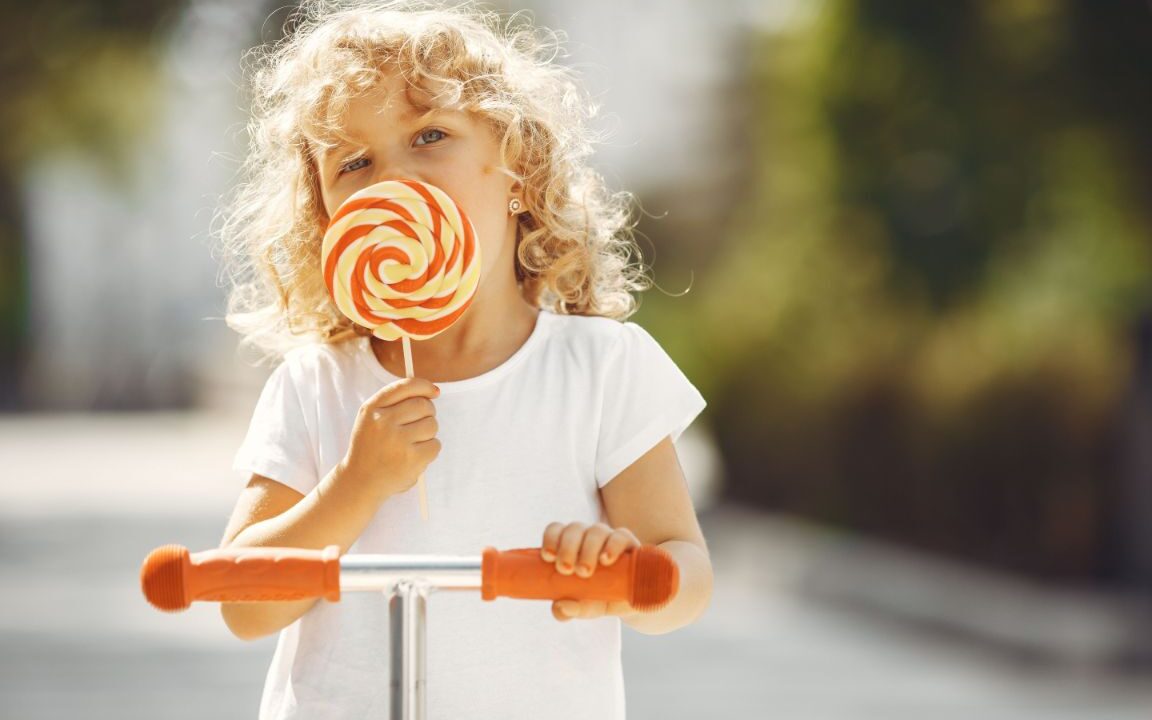
Before the big snack aisles, delivery apps, and candy ordered with a few taps on a phone, there was the little candy store.
It might have been beside the school, near the bus stop, on the corner of a neighborhood street, or tucked between a barber shop and a grocery store. The sign may have been faded. The bell on the door may have made a small sound when you walked in. The shelves were crowded. The counter was usually too high for younger kids to see over properly.
But once you stepped inside, it felt like a different world.
A few coins in your pocket could make an ordinary afternoon feel important.
A Few Coins and a Big Decision
For many kids, the hardest part was deciding what to buy.
There were chocolates, hard candies, gum, licorice, sour treats, candy necklaces, little boxes of sweets, and things with wrappers so colorful that you wanted them before you even knew what they tasted like.
Sometimes you went in knowing exactly what you wanted.
Other times, you stood in front of the shelves for what felt like forever, counting your coins again and again. One choice meant giving up another. Would you get one bigger treat, or several small ones? Would you choose something familiar, or try something you had never seen before?
It was a small decision, but when you were young, it felt serious.
The candy store gave children a little bit of independence. You could walk in with coins in your hand, make your own choice, and walk back out with a paper bag, a piece of gum, or something carefully saved for later.
The Shelves Were Part of the Magic
The candy itself mattered, but the shelves mattered too.
Rows of jars.
Glass cases.
Bright wrappers.
Small toys near the register.
Gum behind the counter.
A shelf that seemed to have everything, even things you had never noticed before.
Some stores smelled like chocolate. Others smelled like sugar, popcorn, newspapers, old wood, or the dusty sweetness of candy that had been sitting in jars all day.
There was usually something to look at while you waited.
Maybe it was a spinning rack of postcards. Maybe it was a comic book display. Maybe it was a freezer full of ice cream. Maybe it was a little basket of inexpensive toys that made every visit feel like a possibility.
The store was never very large, but it did not need to be.
To a child, it felt enormous.
The Walk After School
For many people, the candy store belongs to the memory of walking home from school.
You might have gone with friends, still carrying a backpack and talking about the day. You might have stopped alone, using the last few coins you had saved. You might have been told not to buy too much sugar, then bought something anyway.
The walk to the store was part of the experience.
There was the feeling of school finally being over. The freedom of an afternoon ahead. The sound of bikes, buses, footsteps, and kids talking too loudly. The small excitement of knowing there was a place nearby where you could buy something that felt completely your own.
Sometimes the treat was gone before you made it home.
Sometimes you saved it.
Sometimes you shared it with a brother, sister, or friend.
And sometimes you spent more time choosing than eating.
More Than a Place to Buy Candy
The old candy store was often part of the neighborhood.
The owner knew the local kids. They knew which families lived nearby. They knew who always chose the same gum, who bought candy after school, and who was likely to stare at the shelves without having enough money to buy much.
These stores were small, but they made a neighborhood feel connected.
A child could go in alone and still be seen.
A parent might stop in for a newspaper or a few groceries. Teenagers might gather outside. Grandparents might bring a grandchild in for a treat. People came for candy, but they also came because the place was familiar.
It was not a destination in the way people think of destinations now.
It was simply part of life.
Then vs. Now
| Then | Now |
|---|---|
| A few coins could create a whole afternoon of choices | Candy is often picked up quickly with other groceries |
| Kids visited small neighborhood shops after school | Snacks are commonly bought at larger stores or ordered online |
| Store owners often knew local families and regular customers | Many purchases happen without speaking to anyone |
| Candy shelves invited people to browse and compare | Choices are often made quickly from large aisles or screens |
| The walk to the store was part of the memory | The experience is often only about the purchase |
Not everything about the past was better. But small stores gave people more chances to slow down, look around, and enjoy a simple moment.
The Candy Was Not the Whole Story
What people remember most is often not the exact candy.
They remember the coins.
They remember the paper bag.
They remember the sound of the door.
They remember trying to make one piece last longer than it ever did.
They remember standing beside a friend, both of them trying to decide what to choose.
They remember the store owner saying hello.
They remember coming home with sticky fingers and an empty pocket.
The candy was only one part of the memory.
The rest was the feeling of being young enough for a small treat to make the day feel special.
Why These Stores Still Stay With Us
Old candy stores stay in people’s memories because they were full of small details.
They were colorful without trying too hard. They were familiar without being boring. They gave children a little freedom, but they were still close enough to home that parents felt comfortable letting them go.
Most of all, they made ordinary days feel like they had a small reward waiting at the end.
A school day could be long.
A walk home could be dull.
A few coins could feel like nothing.
But then there was the candy store.
And for a few minutes, the whole afternoon changed.
Sources & Further Reading
- Crown Candy Kitchen — Library of Congress photograph and background on a historic candy and ice-cream shop.
- Tootsie Rolls Were WWII Energy Bars — Smithsonian background on early individually wrapped penny candy.
- The Vermont Country Store — National Postal Museum background on a historic store associated with penny candy and nostalgic goods.
Do You Remember This?
Did your neighborhood have a candy store, corner shop, or small place where kids stopped after school?
Maybe you remember the shelves, the smell, the candy you always chose, the friends you went with, or the few coins you carried in your pocket.
Do you remember this? Share your memory below.
Join the Conversation
What Do You Remember?
Did this story bring back a memory? Tell us below, or share a longer story on the Memory Wall.
Share a Full Memory