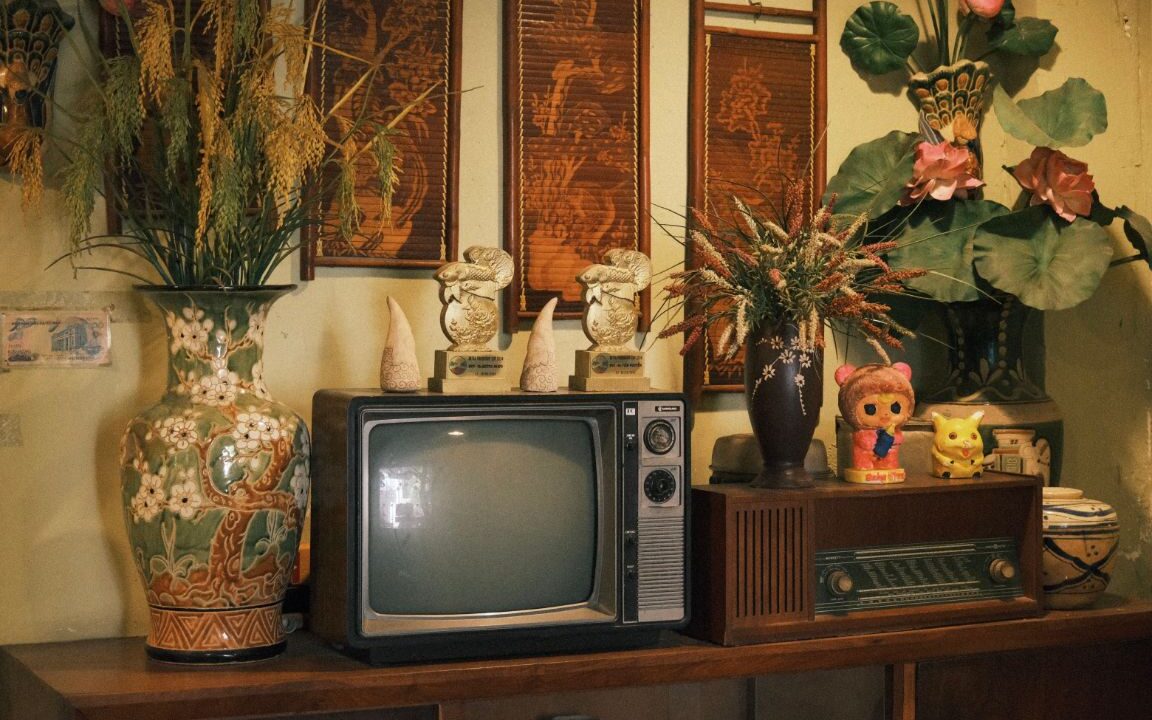
Before cartoons were available anytime, anywhere, on any screen, there was Saturday morning.
For a kid, it felt like a small weekly holiday.
No school. No alarm clock, unless you set one yourself. No endless scrolling through menus. You woke up early, padded quietly into the living room, turned the television on, and hoped nobody else had already claimed the good spot on the couch.
The house was usually still quiet. Parents were sleeping, making coffee, reading the paper, or starting chores in the kitchen. But for a few precious hours, the television belonged to the kids.
And that made Saturday morning feel different from every other morning of the week.
The Ritual Started Before the Show
The cartoon itself was only part of the memory.
First came the cereal.
Maybe it was poured into a big plastic bowl. Maybe the box sat beside you because you wanted to read the back of it again. Maybe there was a prize inside, or a maze, or a character on the front who seemed almost as important as the show you were about to watch.
Then came the living room.
The carpet. The old couch. The coffee table. The glow of the television. The volume turned low enough not to wake everyone, but loud enough to hear the theme song when it started.
There was something exciting about being awake before the rest of the house. It made the morning feel like it belonged only to you.
One Screen, One Schedule
Today, kids can choose almost anything. They can pause, skip, replay, or move to another show in seconds.
Saturday morning cartoons were different.
You watched what was on.
If you missed the beginning, you missed it. If your favorite show came on at 8:30, you had to be ready at 8:30. If someone changed the channel, you argued. If the reception was bad, you adjusted the antenna and hoped the picture cleared.
That schedule made the shows feel important.
They were not just content. They were appointments.
Kids talked about them at school. Brothers and sisters fought over them. Parents heard the same theme songs from the kitchen every week. Some shows became part of the rhythm of growing up, not because they were always perfect, but because they showed up at the same time every Saturday.
The Sound of a Saturday Morning
A Saturday morning had its own sound.
The click of the television turning on.
Theme songs that seemed louder than they probably were.
Cereal hitting the bowl.
Milk being poured.
Commercials for toys, games, snacks, and new shows.
A sibling saying, “Move over.”
Someone from another room saying, “Turn it down.”
And then that quiet feeling when everyone settled in.
The world outside could wait. School could wait. Homework could wait. Chores could wait, at least for a little while.
For those few hours, childhood had a place to sit.
More Than Cartoons
Looking back, people often remember the cartoons, but they also remember everything around them.
They remember the pajamas.
They remember cold cereal and warm blankets.
They remember sitting too close to the TV.
They remember the family room before it became filled with different devices.
They remember when everyone watched the same thing because there was only one screen to gather around.
Saturday morning cartoons were not just entertainment. They were a shared childhood routine.
A kid in one town might be watching the same thing as a kid several states away. On Monday, they could talk about it at school like they had been in the same room.
That was part of the magic.
Then vs. Now
| Then | Now |
|---|---|
| Kids waited all week for Saturday cartoons | Cartoons are available anytime |
| One family TV often served the whole house | Every person may have their own screen |
| Shows followed a fixed schedule | Kids choose from endless menus |
| Commercial breaks were part of the ritual | Many shows are watched without ads |
| Missing a show meant waiting for a rerun | Episodes can be replayed instantly |
Not everything about the old way was better. Waiting could be frustrating. Choices were limited. Some shows were better than others.
But the waiting made the morning feel special.
When something only happened once a week, you paid attention.
The Commercials Were Part of the Memory
For many people, the commercials are almost as memorable as the cartoons.
Toy commercials made everything look bigger, brighter, and more exciting than it probably was. Cereal commercials promised fun before breakfast. Board games looked like the happiest family night ever. Action figures, dolls, race tracks, puzzles, snacks, and holiday toys all seemed to arrive through the television screen.
Kids watched with wide eyes.
Parents watched with suspicion.
By the time a birthday or holiday came around, many children already knew exactly what they wanted, because Saturday morning had been quietly building the wish list for weeks.
The commercials were not always subtle. But they became part of the atmosphere — part of the noise, color, and excitement that made the morning feel alive.
When the Morning Started to Change
Over time, Saturday mornings changed.
Cable channels gave kids more options. Home video made cartoons easier to watch outside the schedule. Later, streaming made nearly everything available instantly. Children’s programming rules also changed what broadcasters were expected to air for young audiences.
Little by little, the old ritual became less necessary.
Kids no longer had to wait for Saturday. They no longer had to gather around one television. They no longer had to catch a show before it disappeared for another week.
The cartoons did not vanish all at once. But the feeling changed.
Saturday morning became less of an event.
What People Still Miss
What people miss is not only the shows.
They miss the feeling of waking up early with nowhere to be.
They miss cereal in front of the TV.
They miss the soft light of the living room.
They miss the sound of a theme song coming on at exactly the right time.
They miss being young enough to believe that a cartoon morning was one of the best parts of the week.
Most of all, they miss the simplicity.
One screen.
One bowl.
One quiet house.
One morning that felt like it belonged to childhood.
Sources & Further Reading
- The Rise and Fall of Saturday Morning Cartoons — background on how Saturday morning cartoons became a weekly childhood ritual and how the format declined over time.
- From Saturday Morning to Around the Clock: The Industrial Practices of Television Cartoons — academic background on television cartoons and the shift from scheduled cartoon blocks to broader children’s programming.
- Children’s Educational Television — FCC overview of children’s educational and informational programming requirements.
Do You Remember This?
Did you wake up early for Saturday morning cartoons?
Maybe you remember the cereal, the theme songs, the toy commercials, the couch, the family TV, or the show you never wanted to miss.
Do you remember this? Share your memory below.


Join the Conversation
What Do You Remember?
Did this story bring back a memory? Tell us below, or share a longer story on the Memory Wall.
Share a Full Memory