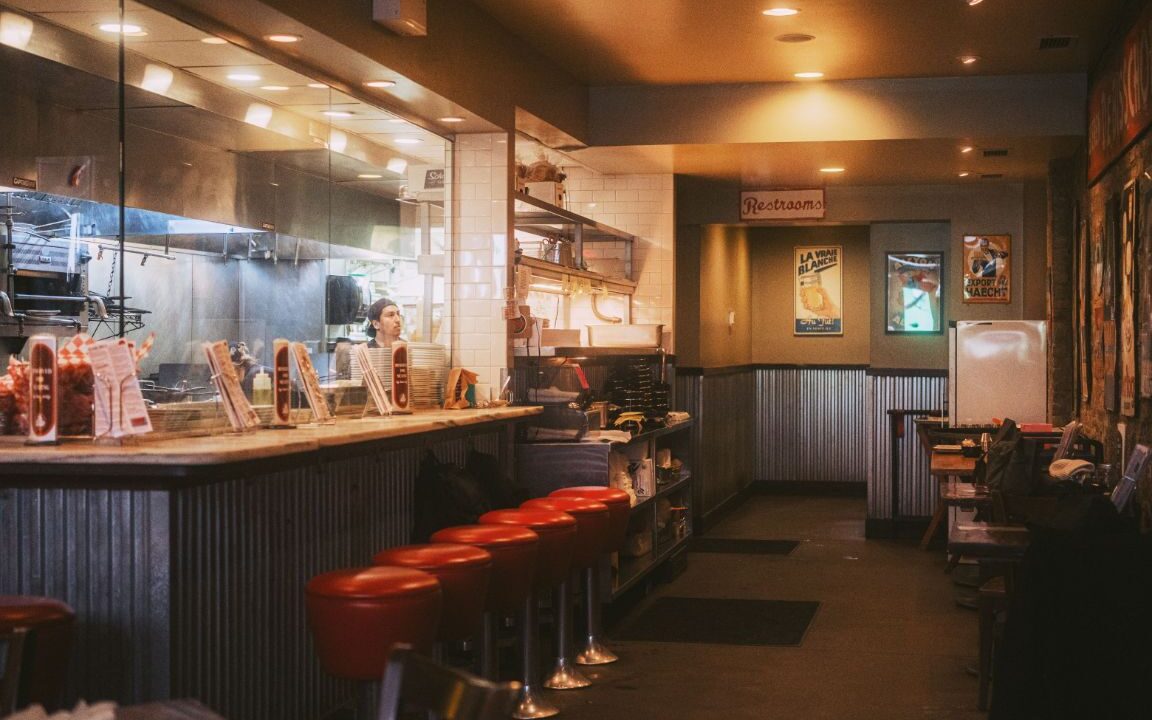
Before drinks came from a refrigerator door, a drive-thru window, or a delivery app, there was the soda fountain.
It might have been inside a drugstore, beside a lunch counter, near a main street, or tucked into a small shop where everyone seemed to know everyone else.
There were stools lined up at the counter. Glass dishes that made ice cream look more important than it really was. Syrup bottles, metal spoons, paper napkins, and the quiet sound of someone mixing a drink behind the counter.
For many people, a soda fountain was not only a place to buy a treat.
It was a place to sit for a while.
A Small Treat Could Change the Afternoon
A soda fountain did not need a special occasion.
You could stop after school. You could go after church. You could meet a friend on a hot day, sit beside a parent while they ran errands, or share something sweet before heading home.
A root beer float, a chocolate soda, a sundae, a milkshake, or a scoop of ice cream could turn an ordinary afternoon into something worth remembering.
The treat itself mattered.
But the ritual mattered more.
You sat down.
You looked over the menu.
You watched the person behind the counter work.
You waited for the glass to arrive.
And for a few minutes, there was nowhere else you needed to be.
The Counter Was Part of the Experience
The soda fountain counter had its own kind of theater.
There were tall glasses, metal shakers, spoons, scoops, and bottles filled with flavors that looked almost too bright to be real. A person behind the counter could turn a few simple ingredients into something that felt special.
Kids watched closely.
Adults talked.
Teenagers lingered longer than they needed to.
Some people came in for a soda. Others came in because it was a familiar place where they might see someone they knew.
The counter gave people a reason to sit side by side, even when they had arrived separately.
More Than Ice Cream and Drinks
Soda fountains became part of everyday public life because they were easy to enter and easy to enjoy.
They were not fancy restaurants. They did not require a reservation. They were places for a small break in the day.
People could meet after work, stop while shopping, bring a child for a treat, or sit down with a newspaper and a drink.
In many towns, the soda fountain became part of the local rhythm.
It was where people heard small bits of news, watched familiar faces come and go, and felt connected to the neighborhood.
The Glasses People Remember
Ask people what they remember about soda fountains, and many will describe the glass before they describe the drink.
The tall glass with a long spoon.
The wide sundae dish.
The whipped cream beginning to melt.
The cherry on top.
The fizzy sound of soda meeting ice cream.
The straw that was too short.
The spoon that was too long.
The little paper wrapper around the straw.
These details stayed with people because they made a simple drink feel like an event.
A soda fountain did not sell only sugar and ice cream.
It sold a moment.
Then vs. Now
| Then | Now |
|---|---|
| A cold drink could mean sitting at a counter for a while | Drinks are often bought to take somewhere else |
| People watched treats being made in front of them | Most drinks are prepared quickly behind a counter or through a machine |
| Soda fountains gave neighbors a casual place to meet | Many social moments happen through phones or planned outings |
| A sundae or float felt like a small occasion | Treats are often part of a quick errand |
| The counter itself was part of the experience | The purchase is often more important than the place |
Not everything about the past was better.
But some places gave people more reasons to pause.
When Soda Fountains Became Part of the Culture
By the early twentieth century, soda fountains were already familiar parts of drugstores and lunch counters. Historic catalogs show the elaborate equipment, furniture, serving tools, and visual presentation that went into creating the experience. During Prohibition, soda fountains and luncheonettes also became more important public gathering places as alcohol-centered spaces changed.
But the history explains only part of their appeal.
What people remember is the feeling of being there.
The stool under the counter.
The glass in front of them.
The person beside them.
The small wait before the first sip.
Why They Still Matter
People miss soda fountains because they represent a kind of everyday pleasure that feels less common now.
They were social without being formal.
They were small without being unimportant.
They gave people a place to meet without needing a plan.
A soda fountain could be part of a childhood memory, a date, a family outing, a stop after school, or a quiet afternoon alone.
That is why the old counters, glass dishes, and syrup bottles still feel so familiar.
They remind people that a simple treat could once slow the day down.
Sources & Further Reading
- A Scoop of Americana: The Ice Cream Soda — Library of Congress background on historic ice-cream soda culture, soda-fountain practices, and newspaper recipes.
- Cool off with Soda Fountains from the Past — Smithsonian Libraries look at a 1904 soda-fountain catalog, including tools, dishes, furniture, and presentation.
- Roads, Model T’s, Tourists, and Tea Rooms — National Park Service context on soda fountains and luncheonettes as popular alternatives during the Prohibition era.
Do You Remember This?
Did your town have a soda fountain, ice-cream counter, or drugstore where people stopped for floats, sundaes, or milkshakes?
Maybe you remember the stools, the glasses, the menu, the person behind the counter, or the treat you always ordered.
Do you remember this? Share your memory below.
Join the Conversation
What Do You Remember?
Did this story bring back a memory? Tell us below, or share a longer story on the Memory Wall.
Share a Full Memory