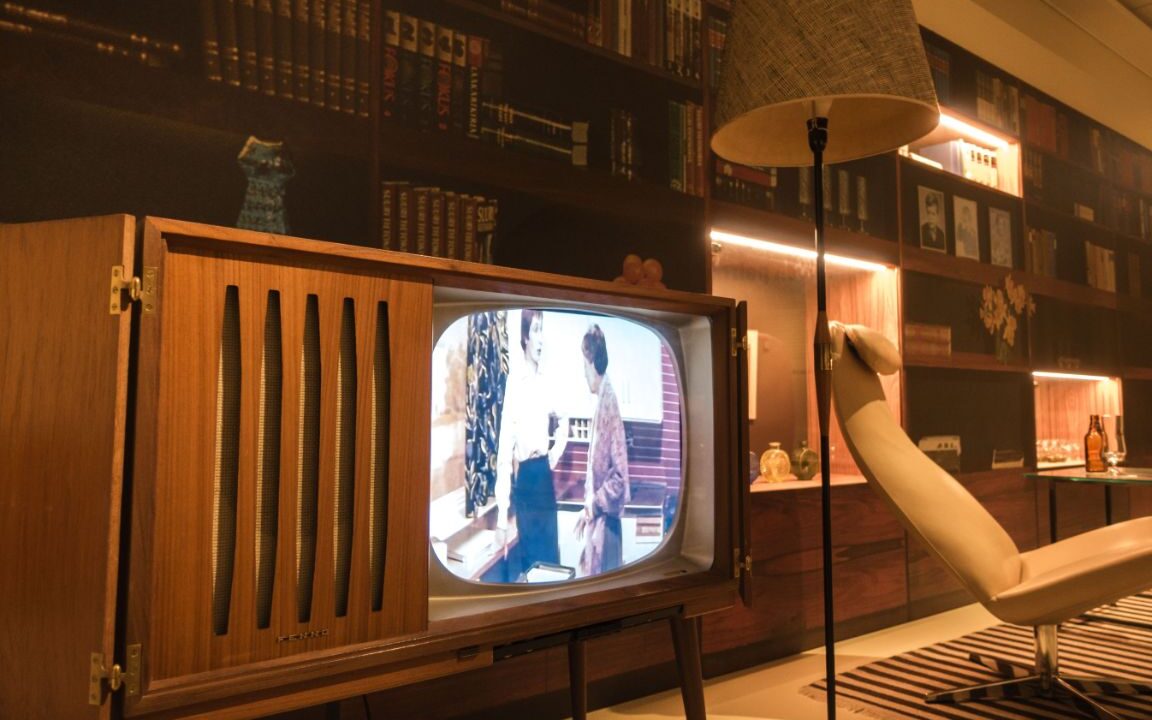
Before people skipped ads, muted them, blocked them, or paid extra to avoid them, commercials were part of watching television.
They came between cartoons, sitcoms, game shows, holiday specials, and Saturday morning programs.
Sometimes they were annoying.
Sometimes they were funny.
Sometimes they were the reason a kid suddenly wanted a cereal, toy, game, snack, or lunchbox they had never cared about before.
And sometimes, without meaning to, commercials became part of memory.
A jingle stayed in your head.
A mascot felt familiar.
A toy looked impossible to live without.
A catchphrase followed kids into the schoolyard on Monday morning.
The Commercial Break Was Not Empty Time
Today, many people treat ads as something to get through.
But for a long time, commercial breaks were built into the rhythm of television.
Families stayed in the room.
Kids kept watching.
Someone ran to the kitchen for a snack and tried to get back before the show returned.
A parent might say, “Hurry up, it’s coming back on.”
The commercials filled the pause, but they were not always ignored.
Kids watched them closely, especially during cartoons or holiday programs. A thirty-second toy ad could feel like a window into something bigger than the living room.
The toy always looked perfect.
The cereal always looked sweeter.
The game always looked more exciting when happy kids were playing it on television.
The Jingles Worked Because Everyone Heard Them
Some commercials were remembered because of the music.
A short tune could repeat so often that it became impossible to forget. Kids sang it at school. Parents heard it from the kitchen. Brothers and sisters repeated it just to annoy each other.
The best jingles did not need much explanation.
They were simple.
They were catchy.
They said the product name more times than anyone realized.
And once they were inside your head, they stayed there.
Years later, someone could hum the first few notes and suddenly a whole commercial came back.
The screen.
The colors.
The product.
The voice at the end.
The feeling of sitting on the floor in front of the television.
Cereal Mascots Felt Like Part of Saturday Morning
For many kids, cereal commercials were part of the Saturday morning ritual.
The box was already on the table or beside the couch. Then the commercial appeared on the screen, making the same cereal look even better than it did in the bowl.
Cartoon mascots ran, shouted, flew, chased, escaped, or begged for one more taste.
The cereal poured in slow motion.
The milk splashed perfectly.
The prize inside the box seemed like the most important object in the house.
Children understood the message quickly.
They did not simply want breakfast.
They wanted the cereal from the commercial.
They wanted the box with the character.
They wanted the thing their friends might also be eating while watching the same cartoons.
Toy Commercials Built Wish Lists
Toy commercials were even stronger.
A toy in the store was one thing.
A toy on television was another.
On TV, the race car was faster. The action figure was braver. The dollhouse looked larger. The board game looked like every family was having the best night of their lives.
The commercial showed the toy at its most exciting moment.
The car jumped.
The figure battled.
The doll talked.
The game pieces moved.
The children in the ad laughed as if nothing could ever be more fun.
A kid watching from the living room could imagine owning it immediately.
By the time a birthday or holiday arrived, the wish list had often been written by the commercials.
The Phrases Followed Kids Everywhere
Some commercials became playground language.
Kids repeated the lines.
They copied the voices.
They turned catchphrases into jokes.
Sometimes a commercial line could spread through school faster than the show it aired during.
That was part of the power of shared television.
If many children watched the same programs at the same time, they often saw the same ads too. By Monday, a whole classroom might know the same jingle or slogan.
The commercial became a tiny piece of culture.
Not important in the way history books measure importance, but important in the way childhood remembers things.
Everyone knew it.
Everyone said it.
Everyone got the joke.
Then vs. Now
| Then | Now |
|---|---|
| Commercials were part of the television schedule | Many viewers skip, block, or avoid ads |
| Kids often saw the same ads during shared programs | Ads are targeted and personalized across devices |
| Jingles and slogans spread through school and family rooms | Short video ads compete with endless online content |
| Toy and cereal ads shaped wish lists before birthdays and holidays | Children discover products through videos, influencers, games, and apps |
| Commercial breaks created a shared pause in the show | Viewing is often individualized and interrupted in different ways |
Not everything about old commercials was innocent.
They were designed to sell.
They made things look better than they were.
They gave children plenty of reasons to ask parents for things.
But they also became part of how people remember television.
When Advertising Became Part of the Show
Television advertising grew alongside television itself.
As more families gathered around TV sets, companies learned that a short commercial could reach people inside their homes in a direct and memorable way. Some brands became closely tied to children’s programming, snacks, cereals, toys, and family viewing.
Over time, concerns about advertising to children also grew. Rules and public debates developed around how much advertising children should see, especially during children’s programming.
But for people looking back, the memory is usually simpler.
They remember the commercials because they were there.
Between the cartoons.
Between the shows.
Between dinner and bedtime.
Between one scene and the next.
Why We Still Remember Them
People remember old commercials because they were repeated.
Again and again.
Week after week.
A song, a voice, a mascot, a slogan, or a product image could become familiar simply because it kept showing up in the same living room.
Commercials were not always loved.
But they were shared.
They were part of the sound of old television.
Part of Saturday mornings.
Part of family TV nights.
Part of holidays, toy aisles, cereal boxes, and school conversations.
A commercial could last thirty seconds.
But somehow, the memory could last for decades.
Sources & Further Reading
- Television Commercials in the Moving Image Collections — Library of Congress guide to television commercial collections and advertising materials.
- Broadcasting — Smithsonian National Museum of American History context on postwar broadcasting, consumer culture, and early television advertising.
- Children’s Television Act: FCC Could Improve Efforts to Oversee Enforcement — GAO overview of the Children’s Television Act and rules restricting advertising during children’s programming.
Do You Remember This?
What commercial do you still remember?
Maybe it was a cereal ad, a toy commercial, a jingle, a mascot, a holiday ad, or a line everyone at school used to repeat.
Do you remember this? Share your memory below.



Join the Conversation
What Do You Remember?
Did this story bring back a memory? Tell us below, or share a longer story on the Memory Wall.
Share a Full Memory