Before shows waited patiently inside streaming apps, families had to wait for the shows.
A favorite program came on at a certain time.
A certain night.
A certain channel.
If you missed it, you missed it.
There was no pause button. No watch later list. No catching up on another device before bed. You either sat down when the show began, or you hoped there would be a rerun someday.
That made television feel different.
A show was not just something to watch.
It was something the evening made room for.
“It’s Almost On”
Every family had a version of the same sentence.
“It’s almost on.”
That was the signal.
Homework had to be finished. Dishes might be rushed. Baths had to happen earlier. Someone looked at the clock. Someone adjusted the antenna. Someone claimed the good seat before a brother or sister got there first.
The opening theme mattered because it meant you had made it on time.
The show was starting.
The room became quiet, or at least quieter than usual.
For the next half hour or hour, the family was part of the same story.
The TV Guide Was Part of the Routine
Some families kept the TV listings close by.
Maybe it was a printed TV Guide.
Maybe it was a newspaper insert.
Maybe someone had circled a program earlier in the week.
The schedule was part of the decision-making.
What came on at 7?
What was after dinner?
Was there a special?
Was the movie starting too late?
Could the kids stay up for the whole thing?
Television planning happened before the remote was even touched.
Families talked about what they wanted to watch because there were only so many choices and only one evening to fit them into.
The Weekly Schedule Made Shows Feel Bigger
A weekly show had time to live in your mind.
You watched one episode, then waited.
The next day, people talked about it at school or work. Families guessed what might happen next. Friends repeated jokes, lines, scenes, or character moments.
Then everyone waited for the next week.
The waiting gave the show weight.
A cliffhanger could last for days.
A favorite character could become part of household conversation.
A theme song could mark the beginning of a family routine.
Modern shows can be watched all at once, and that has its own pleasure. But older television made people carry the story longer.
Everyone Saw the Same Thing at the Same Time
There was something powerful about knowing other people were watching too.
Neighbors might be watching.
Classmates might be watching.
Relatives in another town might be watching.
The next day, you could talk about the episode because many people had seen it at the same time.
That shared schedule gave television a kind of community feeling.
It was not only your family’s living room.
It was part of a larger rhythm.
The same joke.
The same ending.
The same commercial break.
The same question about what would happen next.
Missing an Episode Felt Serious
Missing a favorite show was not a small thing.
A family event, a late dinner, a power outage, a bad antenna, or a parent choosing another program could ruin the plan.
Kids complained.
Adults complained too, though they might not admit it.
If the show was missed, someone had to tell you what happened. Or you had to wait and hope the episode came back in reruns.
That made the act of watching feel more important.
When something was only available at one time, people paid attention.
Then vs. Now
| Then | Now |
|---|---|
| Shows aired at fixed times and families planned around them | Shows can usually be streamed whenever someone wants |
| Missing an episode often meant waiting for a rerun | Episodes can be paused, replayed, or watched later |
| TV listings helped families choose the evening’s programs | Algorithms and app menus suggest what to watch next |
| Many people watched the same program at the same time | Viewing is more spread out and individualized |
| Weekly waiting made shows part of the rhythm of life | Binge-watching can make stories move faster |
Not everything about the old system was better.
Choices were limited.
Arguments over the channel were common.
Some people missed shows they really cared about.
But the limits created anticipation, and anticipation created memory.
The Shows Became Family Landmarks
People remember the shows their families watched because those shows attached themselves to routines.
A comedy after dinner.
A mystery on a certain night.
A variety show everyone knew.
A holiday special that came around once a year.
A program parents let the kids stay up late for.
The show itself mattered, but so did the room around it.
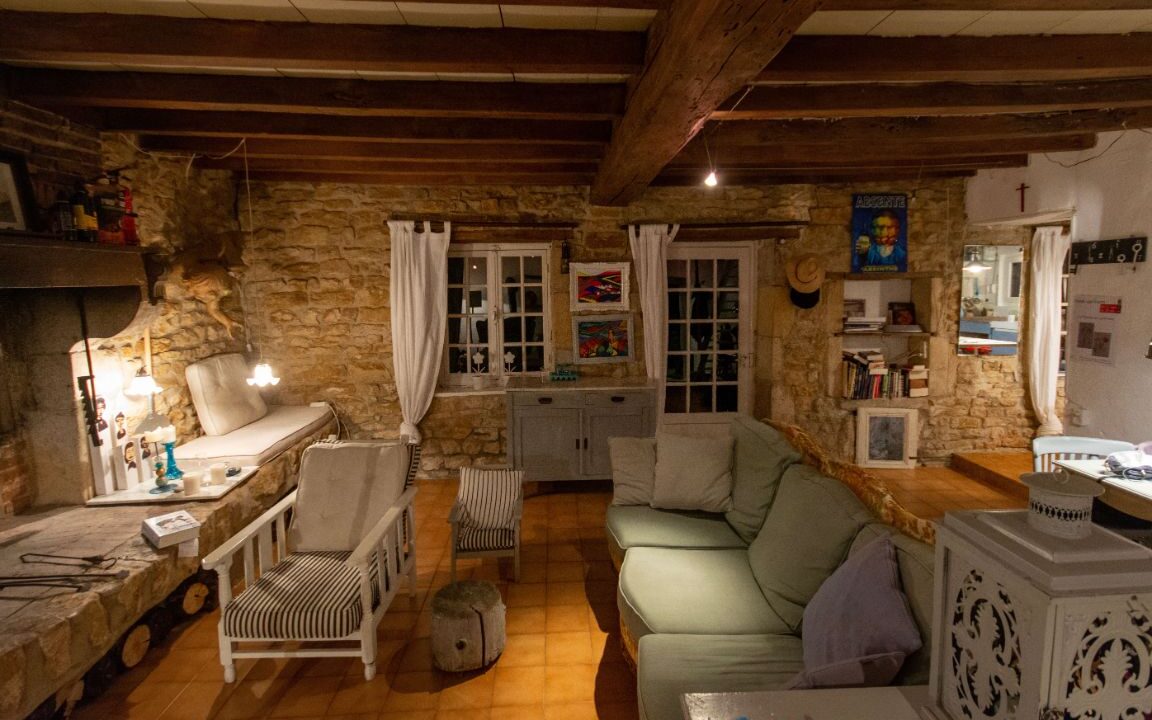
The couch.
The lamp.
The bowl of popcorn.
The sound of someone washing dishes nearby.
The warning not to talk during the important part.
The feeling of being together in the same room, watching the same thing unfold.
Television Grew Into the Center of the Room
Television spread quickly through American homes after World War II. Library of Congress material notes that the number of TV sets in the United States grew from about one million in 1949 to 50 million a decade later. Other Library of Congress classroom material describes television as a force that changed many aspects of postwar American life and entertainment.
That growth changed family routines.
It changed living rooms.
It changed evenings.
It gave families new shared habits, new arguments, new favorites, and new memories built around a glowing screen.
Why We Still Remember Appointment TV
People remember scheduled television because it made time feel shared.
A show came on, and the household adjusted.
The evening had a shape.
The week had a marker.
Everyone knew when something mattered enough to be home for.
Today, convenience is better in many ways. But something was lost when no one had to wait, gather, or plan around the same program anymore.
The old way made shows feel less like files to open and more like moments to meet.
Do You Remember This?
What show did your family plan around?
Maybe it was a sitcom, a drama, a game show, a variety show, a holiday special, or a program everyone had to be home in time to watch.
Do you remember this? Share your memory below.



Join the Conversation
What Do You Remember?
Did this story bring back a memory? Tell us below, or share a longer story on the Memory Wall.
Share a Full Memory