The toys of the 1970s filled bedrooms, basements, family rooms, backyards, and the spaces beneath Christmas trees.
Some were simple enough to understand immediately.
A foam ball could be thrown inside without breaking a lamp—at least in theory.
A large plastic wheel could carry a child down the sidewalk until the front tire wore flat.
A doll needed clothes, furniture, friends, and a story.
An action figure needed a mission.
Other toys hinted at the electronic future. They flashed lights, produced sounds, tested memory, and gave children a first taste of games controlled by buttons and circuits.
The decade did not replace traditional play. Children still used bicycles, dolls, trucks, building sets, board games, art supplies, and whatever they could find outdoors.
But the toy box was changing.
Television, movies, advertising, new plastics, popular characters, and simple electronics were becoming more important. A successful toy was no longer always a single object. It could become the center of a larger world filled with figures, vehicles, buildings, accessories, and things still waiting to be collected.
What Toys Were Popular in the 1970s?
Popular toys associated with the decade included:
- Star Wars action figures and vehicles
- Stretch Armstrong
- Weebles
- Big Wheel riding toys
- Nerf balls
- Simon
- Atari home video games
- Evel Knievel stunt toys
- Six Million Dollar Man action figures
- Micronauts
- Barbie dolls and accessories
- Dawn dolls
- Baby Alive
- Fisher-Price Little People
- LEGO building sets
- Tonka trucks
- Hot Wheels
- Matchbox cars
- SSP racers
- Lite-Brite
- Spirograph
- Shrinky Dinks
- Play-Doh
- Etch A Sketch
- Rock ’Em Sock ’Em Robots
- Operation
- Mouse Trap
- Connect Four
- Mastermind
- Battleship
- Twister
- Skateboards
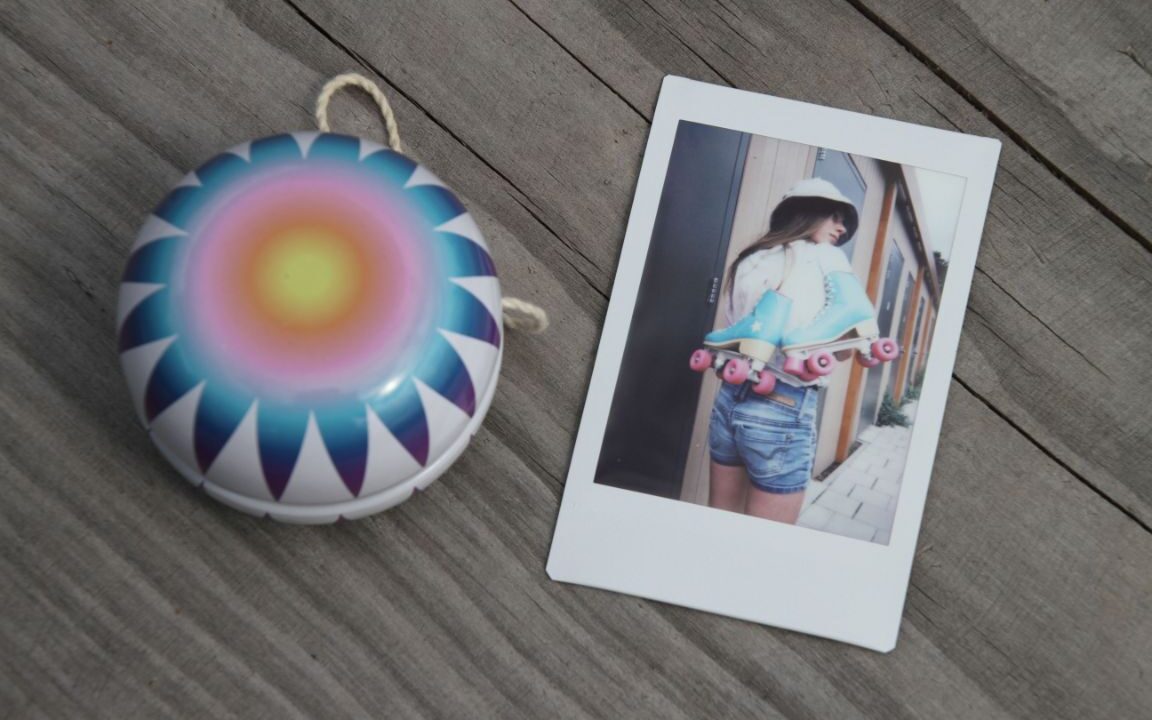
- Roller skates
- Yo-yos
- Frisbees
- Model kits and science sets
Not every toy on this list was introduced during the 1970s. Some had already been popular for years, while others arrived late in the decade and became even bigger during the 1980s.
What made them 1970s childhood memories was their presence in real homes.
They appeared in catalogs, television commercials, toy stores, department stores, birthday packages, schoolyards, and neighborhood conversations.
Star Wars Turned a Movie Into a Toy World
When Star Wars reached theaters in 1977, children did not only want to watch the story.
They wanted to continue it at home.
The movie offered almost everything a toy line needed:
- Heroes
- Villains
- Robots
- Spaceships
- Strange creatures
- Weapons
- Vehicles
- Distinctive costumes
- A universe large enough for endless new adventures
The earliest toys were not ready in sufficient numbers for the first holiday season. Some children received an early-purchase certificate promising that figures would arrive later.
When the small action figures became widely available, they changed the scale of character toys.
They were compact enough to collect and small enough to work with vehicles and playsets that could fit into a bedroom.
A child might own only a few figures, but those few could replay the entire film—or a completely different version of it.
A kitchen chair became a spacecraft.
A cardboard box became a base.
The floor beneath the sofa became a dangerous planet.
The figures did not speak or move on their own. Children supplied every voice, sound effect, decision, and battle.
The Figures Made Collecting Part of Play
Earlier generations collected toys too, but character lines made collecting more central to the experience.
One figure was useful.
Several figures created a story.
Vehicles expanded the story.
A playset gave it a location.
New characters created reasons to return to the toy aisle.
Children compared what they owned.
One had the hero.
Another had the villain.
Someone had the vehicle everyone wanted.
A missing figure could become the most important item on a birthday or Christmas list.
This changed the relationship between the toy and the larger entertainment world. The movie introduced the characters, while the toys allowed children to decide what happened next.
The story continued long after the theater lights came back on.
Evel Knievel Brought Stunts Into the Living Room
Evel Knievel was not a fictional superhero, but his motorcycle jumps and public image made him feel like one to many children.
The stunt-cycle toy allowed children to place a figure on a motorcycle, wind up the launcher, and send the bike racing toward a homemade ramp.
The setup invited experimentation.
How high could it jump?
Could it clear a row of toy cars?
Could it cross the space between two pieces of furniture?
Could the figure survive a landing that no sensible adult would attempt?
The answer was often no.
The motorcycle crashed.
The rider fell off.
The ramp moved.
The child reset everything and tried again.
The toy worked because failure was entertaining. A bad landing was not the end of the game. It was the reason to make the next jump bigger.
Stretch Armstrong Was Built to Be Pulled Apart
Stretch Armstrong looked like a muscular action figure, but his real appeal was inside.
Children could pull his arms and legs far beyond the proportions of an ordinary figure. When released, the limbs slowly returned toward their original shape.
The toy created an immediate challenge.
How far could it stretch?
Could two children pull it from opposite sides?
Would it return to normal?
What happened if someone stretched one arm farther than the other?
The material inside gave the figure weight and a strange, memorable feel.
It also encouraged children to test the limits, which meant many figures eventually developed leaks or damage.
A toy advertised around stretching could hardly expect gentle treatment.
The Six Million Dollar Man Became an Action Figure
Television also shaped the toy aisle.
The action figure based on The Six Million Dollar Man allowed children to bring the television hero into their own games. Features such as a viewing eye, special limbs, or removable components made the figure feel connected to the character’s enhanced abilities.
The toy belonged to a broader change in which television programs could support complete product lines.
A weekly show introduced the world.
Commercials presented the toy.
Children carried the story into bedrooms, yards, and school conversations.
A figure could become more desirable simply because everyone knew the character’s name and abilities before opening the box.
Micronauts Made Small Figures Feel Futuristic
Micronauts combined small action figures with science-fiction styling, interchangeable parts, vehicles, robots, and mechanical details.
They felt different from traditional soldiers or superheroes.
The designs suggested space, machines, laboratories, and worlds children had not yet seen on television.
Interchangeable components added another layer of play. Figures and vehicles did not always need to remain in their original form. Pieces could be rearranged, combined, and used in ways the packaging had not planned.
That flexibility made the toys especially interesting to children who liked both character play and construction.
Barbie’s World Continued to Expand
Barbie had already become a major toy before the 1970s, but her world continued changing with the decade.
New fashions, homes, vehicles, friends, careers, and accessories kept the doll connected to contemporary life.
The clothes reflected the period.
Long dresses.
Bright prints.
Wide-legged pants.
Swimsuits.
Work clothes.
Casual outfits.
Tiny shoes that disappeared almost immediately.
Children built stories around whatever pieces were available. A full official playset was not necessary.
A shoebox could become a bed.
A shelf became an apartment.
A washcloth became a blanket.
A cardboard box became a house with rooms drawn inside.
Barbie worked because the doll was only the starting point. Children created the relationships, arguments, jobs, trips, and family dramas themselves.
Dawn Dolls Offered a Smaller Fashion World
Dawn dolls provided a smaller alternative to larger fashion dolls.
Their compact size made them easier to carry and allowed several dolls, outfits, and accessories to fit into a relatively small space.
They offered the same kind of fashion and character play on a different scale.
Children changed clothes, arranged scenes, gave each doll a personality, and combined official accessories with homemade furniture and rooms.
The small size also made losing shoes and accessories even easier.
Many childhood toy boxes held dolls whose original clothing had long been replaced by pieces borrowed from another set or made at home.
Baby Alive Made Feeding Part of the Toy
Baby dolls had long encouraged nurturing play, but Baby Alive added a memorable mechanical feature.
Children could feed the doll and then experience the consequences through the diaper-changing feature.
The idea felt surprisingly real.
It also created work.
Food had to be prepared.
The doll had to be cleaned.
The clothing needed attention.
The diaper could not be ignored.
Some children loved the responsibility. Others were more interested in seeing the mechanism work once before moving on to something else.
The toy stood out because it turned a familiar kind of doll play into an interactive routine.
Weebles Fell Down but Came Back Up
Weebles were built around one clear idea.
Push them over, and they returned upright.
Their weighted rounded bases prevented them from staying down, which made the figures satisfying for young children to tap, roll, and send wobbling across the floor.
The figures worked with houses, vehicles, playgrounds, and other playsets.
Because they had no legs to position and few small moving pieces, they were simple to handle.
The wobbling action was both the feature and the personality of the toy.
Children could knock over an entire group and watch them recover.
The figures seemed determined in a way ordinary plastic people were not.
Fisher-Price Little People Built Everyday Worlds
Fisher-Price Little People playsets turned familiar places into miniature environments.
Children could play with:
- Houses
- Farms
- Schools
- Garages
- Airports
- Parking structures
- Vehicles
- Main streets
- People and animals
The sets reflected ordinary life rather than fantasy.
A child could place a family inside a house, send a car to the garage, move animals through a barn, or create an entire town across the floor.
The pieces were simple, but the arrangements could become complicated.
Children decided who lived where, who was going to work, which vehicle belonged to which person, and why the farm animals had somehow entered the house.
A few buildings and figures could support hours of changing stories.
Big Wheels Ruled Sidewalks and Driveways
The Big Wheel placed children low to the ground with a large plastic front wheel, small rear wheels, pedals, and handlebars.
It was not built for quiet travel.
The plastic wheels created a recognizable sound across sidewalks and driveways. The closer the toy came, the louder the rattling became.
Children pedaled as fast as they could.
They raced neighbors.
They wore down the front wheel.
They turned sharply to make the back end slide.
They pushed with their feet when the pedals were not fast enough.
The low seating position made speed feel greater than it really was.
A driveway became a racetrack.
A sidewalk became a highway.
A gentle slope became a test of courage and braking ability.
Nerf Made Indoor Throwing Seem Acceptable
The Nerf ball was promoted as a ball that could be used indoors without causing the kind of damage associated with harder rubber or plastic balls.
That did not mean nothing was ever knocked over.
It meant children had a stronger argument when adults objected.
The soft foam changed where ball games could happen.
Bedrooms, hallways, basements, and family rooms became possible play spaces.
Children threw the ball against walls, across furniture, and toward targets invented on the spot.
The toy showed how changing the material could change the rules.
A ball did not need to be hard, heavy, or used outside to feel satisfying.
Skateboards Became a Neighborhood Obsession
Skateboarding existed before the 1970s, but the decade helped turn it into a major youth activity.
Improved wheels made boards smoother and more practical than many earlier versions.
Children and teenagers rode on sidewalks, streets, driveways, empty pools, and any paved slope they could find.
The skateboard was both transportation and challenge.
Riders learned to balance, turn, stop, and eventually attempt tricks.
Falls were part of the process.
So were scraped knees, worn shoes, and arguments about who could use the best stretch of pavement.
Unlike a toy that stayed in one room, a skateboard connected children to the neighborhood around them.
Roller Skates Made Pavement Social
Roller skates belonged to sidewalks, driveways, basements, school gyms, and skating rinks.
Some attached to ordinary shoes. Others were complete boots.
Children learned to move while holding a wall, fence, railing, or another person.
Once balance improved, skating became social.
Friends moved together.
Music played at rinks.
Games developed.
Someone always wanted to go faster than their ability allowed.
The wheels and surfaces had their own sounds, and those sounds became part of the memory.
LEGO Sets Grew While Loose Bricks Stayed Useful
LEGO building sets continued expanding throughout the decade, but the most important feature remained the same: the bricks could become something else after the original model was finished.
A child might follow the instructions once.
Then the structure came apart.
The same pieces became a house, vehicle, tower, spaceship, store, or object that made sense only to the builder.
Sets added doors, windows, wheels, figures, and specialized pieces, but loose bricks remained valuable because they did not belong permanently to one design.
LEGO rewarded both careful construction and complete destruction.
Building was only half of the cycle.
Taking everything apart made the next idea possible.
Tonka Trucks Continued Their Backyard Work
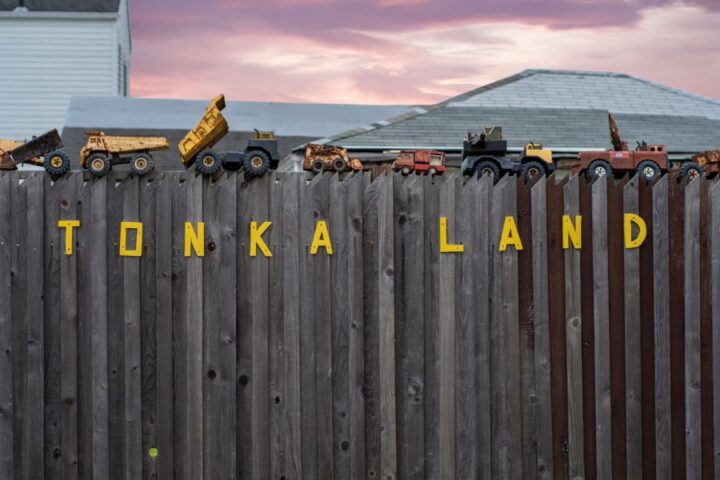
Tonka trucks had already earned a reputation for rugged construction play, and they remained common throughout the 1970s.
Dump trucks, loaders, cranes, bulldozers, fire engines, and other vehicles worked in sandboxes, gardens, driveways, and dirt piles.
The trucks were often heavy enough to feel serious and simple enough to understand without instructions.
A child loaded the bed.
Moved the material.
Dumped it somewhere else.
Then repeated the process.
The scratches and dents were not necessarily signs that the toy had failed.
They showed that it had gone to work.
Hot Wheels and Matchbox Filled Pockets
Small toy cars were easy to collect, carry, trade, race, and lose.
Hot Wheels emphasized speed, bright finishes, custom styling, and track-based play.
Matchbox cars often leaned more heavily toward recognizable everyday vehicles.
Children did not always care about the distinction. Both brands could occupy the same road drawn across a carpet or carved through dirt.
A few cars were enough to begin.
Furniture became buildings.
Books became ramps.
Cardboard became garages.
Orange track crossed rooms in routes that adults had to step over carefully.
The cars could be organized by color, speed, type, or personal preference. One child’s least favorite vehicle might be the one another child wanted most.
SSP Racers Made Speed Noisy
SSP racers used a ripcord system to spin a wheel before releasing the car.
The preparation was part of the excitement.
Insert the cord.
Pull quickly.
Listen to the wheel spin.
Place the car down.
Let it go.
The vehicles moved fast enough to crash into furniture, walls, other toys, and anything else placed in their path.
Children built ramps and racing areas, then adjusted them after every unsuccessful run.
Like stunt motorcycles and track cars, SSP racers turned repetition into the game.
A crash only created another reason to reset.
Shrinky Dinks Made the Oven Part of Craft Time
Shrinky Dinks began as thin plastic sheets that children could color, cut, and then heat under adult supervision.
Inside the oven, the pieces curled, shrank, and thickened.
The transformation was the main attraction.
A large flexible drawing became a smaller rigid object.
Finished pieces could become charms, decorations, jewelry, key chains, or small figures.
The craft combined drawing with anticipation. Children created the design, but the heating process added an element they could not completely control.
Watching the plastic twist before flattening again felt a little like an experiment.
Board Games Still Gathered Everyone Around the Table
The 1970s toy experience was not limited to individual play.
Board games remained important for families, siblings, and visiting friends.
Popular choices included older favorites and newer games such as:
- Connect Four
- Mastermind
- Battleship
- Operation
- Mouse Trap
- Twister
- Trouble
- Sorry!
- Clue
- Monopoly
- The Game of Life
- Yahtzee
- Rock ’Em Sock ’Em Robots
The box often promised a cheerful family gathered around a perfect table.
Real games involved more disagreement.
Someone misunderstood the rules.
Someone moved a piece incorrectly.
Someone became too competitive.
A younger child grew bored.
A piece disappeared.
The game still brought people into the same space, which gave it a different feeling from playing alone.
Connect Four Made Strategy Easy to See
Connect Four used a vertical plastic grid and round pieces dropped from the top.
The goal was easy to explain: place four pieces in a row before the other player did.
The board made every decision visible.
A strong move could become obvious one turn too late.
Children learned to create their own line while blocking another.
The pieces dropped with a satisfying click and collected at the bottom until the release mechanism sent them all falling out at once.
The reset was nearly as enjoyable as the game.
Mastermind Turned Colors Into a Code
Mastermind presented one player with a hidden color pattern and challenged the other to discover it through logic.
Each guess produced clues about correct colors and positions.
The game felt more serious than many children’s games.
It required concentration, memory, and a willingness to learn from incomplete information.
The hidden code made every round personal. One player created the problem while the other tried to solve it.
A simple arrangement of colored pegs could hold attention longer than its appearance suggested.
Simon Introduced Electronic Memory Play
Simon arrived near the end of the decade with four colored sections, lights, tones, and a sequence the player had to repeat.
The game began simply.
One light.
Then two.
Then three.
The sequence grew longer until the player made a mistake.
Simon stood out because the toy controlled the pace and remembered the pattern. There was no second player turning cards or checking an answer.
The electronics created the challenge.
The sounds became immediately recognizable.
A successful sequence felt satisfying.
A mistake felt public because everyone nearby heard it.
Simon pointed toward a future in which electronic toys could respond directly to the player.
Home Video Games Entered the Family Room
The 1970s also brought early video games into homes.
Systems connected to the family television and turned the screen into a play space. Simple games involving paddles, dots, racing, shooting, or sports introduced a new kind of interaction.
The graphics were basic.
The sounds were limited.
The controllers were unfamiliar.
That simplicity did not reduce the excitement.
The television had previously delivered programs chosen by broadcasters. Now a child or family member could control something happening on the screen.
The arrival of home video games did not immediately replace traditional toys.
Electronic play joined the toy box rather than emptying it.
A child could spend one part of the day with a board game, another outside on a bicycle, and the evening trying to keep a square dot from passing a paddle on the television.
Television Commercials Shaped the Wish List
Children often discovered toys between cartoons and family programs.
Television commercials made toys look faster, larger, easier, and more exciting than they sometimes were in real life.
Cars completed perfect jumps.
Games created constant laughter.
Dolls performed features without adult help.
Action figures appeared to move through elaborate worlds.
Children remembered the music, slogans, voices, and product names.
The commercial did more than explain what the toy was.
It demonstrated the kind of fun the child was expected to imagine.
By the time the family reached the toy store, the request had already been prepared.
Catalogs Made Toys Feel Close Enough to Touch
Holiday catalogs gave children more time with a toy than a short commercial did.
They studied the pages.
Circled items.
Folded corners.
Compared prices without understanding the family budget.
Large playsets looked complete and perfect in the photographs. Every figure was included. Every accessory was in place. Nothing had been lost beneath the sofa.
A child could return to the same page for weeks.
The waiting became part of the toy’s meaning.
Sometimes the desired item appeared beneath the tree.
Sometimes a smaller alternative arrived.
Sometimes it remained only a picture in the catalog.
The toys never received could be remembered as clearly as the ones that came home.
Toy Stores Felt Like Worlds of Their Own
A 1970s toy store or department-store toy floor offered something a catalog could not.
Children could see the actual boxes.
Hold them.
Turn them over.
Study the back.
Look through plastic windows.
Compare one item with another.
The visit did not always end with a purchase.
“Just looking” could still fill an afternoon with possibilities.
A child learned where favorite sections were located and which aisle to visit first.
The toy store made wanting feel like an activity of its own.
Toys Were Often Shared, Repaired, and Passed Down
Many toys stayed in families for years.
An older sibling outgrew something.
A younger sibling claimed it.
A cousin received it later.
Some toys were stored until another generation appeared.
The item did not always remain complete.
A doll lost a shoe.
An action figure lost a weapon.
A game lost one piece.
A truck developed rust.
A building set became mixed with several others.
Families often continued using the toy anyway.
Missing parts encouraged substitution.
A bottle cap became a game marker.
A cardboard box replaced the missing building.
A piece from another set became an accessory.
The toy changed, but play continued.
The Best Toys Left Space for Imagination
Many remembered 1970s toys had clear features, but they did not control the entire experience.
A doll did not speak unless the child supplied the voice.
An action figure did not move unless a hand moved it.
A truck did not know where the construction site was.
A building set did not decide what should be built next.
Even electronic games were limited enough that children quickly understood their boundaries.
The toy established a starting point.
The child created the rest.
That space is one reason these toys remain emotionally powerful.
The memories are not only about the object.
They are about what the child did with it.
Then vs. Now
| Then | Now |
|---|---|
| Children discovered toys through stores, catalogs, television commercials, and friends | Toys are also discovered through social media, online videos, games, and personalized advertising |
| Action figures and dolls depended heavily on child-created stories | Some modern toys include recorded voices, apps, animation, or connected features |
| Electronic toys used simple lights, sounds, buttons, and patterns | Digital toys may use screens, sensors, internet connections, and software |
| Large toys and playsets were often saved for birthdays or holidays | Online shopping makes toys available throughout the year |
| Siblings frequently shared toys and inherited incomplete sets | Replacement parts and duplicate products can be easier to find online |
| Children gathered around physical board games and shared toys | Play may happen physically, remotely, online, or across separate devices |
| Television commercials shaped many toy requests | Creators, reviews, unboxing videos, and social trends now influence demand |
| Toys were often repaired or used despite missing pieces | Some products are easier to replace than repair |
| Photographs of toys were limited to catalogs and packaging | Children can watch endless demonstrations before buying |
Why 1970s Toys Still Matter
The decade sat between two kinds of childhood.
Traditional toys remained central.
Children built with blocks, pushed trucks through dirt, dressed dolls, raced cars, played board games, and spent hours outdoors.
At the same time, entertainment and electronics were becoming more influential.
Movie characters became collectible figures.
Television programs supported toy lines.
Electronic games responded with light and sound.
Home video games brought controlled action to the family television.
The decade did not belong entirely to either world.
It connected them.
Why People Remember These Toys
Adults rarely remember only the product name.
They remember where the toy was used.
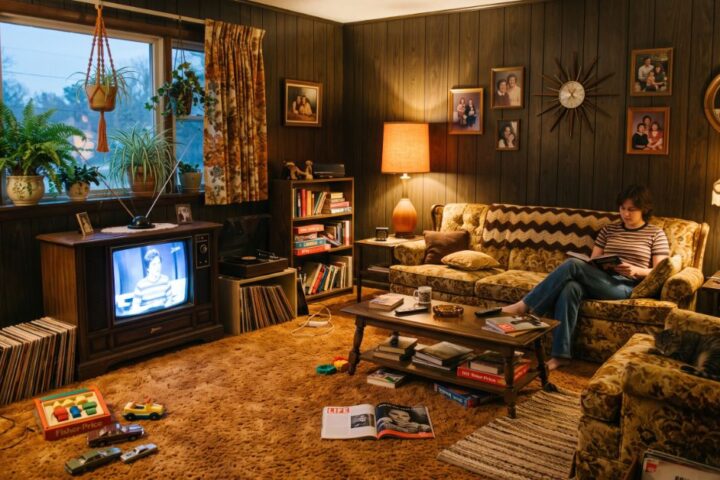
The shag carpet where the figures stood.
The driveway where the Big Wheel rattled.
The bedroom floor covered with building pieces.
The kitchen table where the board game started an argument.
The television commercial that made the toy seem essential.
The catalog page that was circled several times.
The Christmas morning when the box finally appeared.
They remember the sibling who borrowed it without permission.
The friend who owned the one vehicle nobody else had.
The missing piece that was never found.
The parent who stayed up late assembling the playset.
The toy became attached to the people and places around it.
That is why seeing one again can bring back much more than plastic, metal, cardboard, or electronic sound.
It can bring back the room.
The season.
The voices.
The version of childhood that existed before anyone knew it would disappear.
Quick Answers About Popular 1970s Toys
What were the most popular toys of the 1970s?
Widely remembered toys include Star Wars action figures, Stretch Armstrong, Weebles, Big Wheels, Nerf balls, Simon, Evel Knievel stunt toys, Barbie, Dawn dolls, Baby Alive, Fisher-Price Little People, LEGO, Tonka trucks, Hot Wheels, Matchbox cars, board games, skateboards, and early home video games.
What action figures were popular in the 1970s?
Popular lines included Star Wars figures, the Six Million Dollar Man, Evel Knievel, Micronauts, superheroes, and other television- and movie-based characters.
What electronic toys came out in the 1970s?
Simon became one of the decade’s best-known electronic games. The decade also introduced families to early home video-game systems and other toys using lights, tones, buttons, and electronic patterns.
What outdoor toys did children use?
Children played with Big Wheels, bicycles, skateboards, roller skates, Nerf balls, Frisbees, jump ropes, wagons, yo-yos, and ordinary sports equipment.
Were Barbie dolls still popular in the 1970s?
Yes. Barbie remained highly popular, with new clothes, friends, careers, vehicles, homes, and accessories reflecting the changing decade.
Why are 1970s toys collectible today?
Collectors value them for their connection to childhood, recognizable characters, packaging, design, rarity, condition, completeness, and importance in toy or entertainment history.
Sources & Further Reading
- Four Reasons Why Star Wars Became a Huge Part of My Life — National Museum of American History discussion of the film’s lasting influence, including toys, lunchboxes, comics, and other merchandise.
- Simon Electronic Game, 1978 — Smithsonian collection record documenting Milton Bradley’s electronic memory game and its release in 1978.
- The Father of the Video Game — National Museum of American History collection covering Ralph Baer’s video-game prototypes and electronic games, including Simon.
- Playtime: Toys, Games, and Puzzles — Smithsonian collection featuring toys, games, puzzles, electronic playthings, dolls, vehicles, and other childhood objects.
- Robert R. Gitt Collection of Television Commercials — Library of Congress catalog documenting television advertising for toys, dolls, games, art supplies, and other products around the beginning of the decade.
- Barbie — National Toy Hall of Fame history of Barbie’s continuing development through changing fashions, careers, playsets, and cultural expectations.
- LEGO — National Toy Hall of Fame background on the building system and its long-running value as an open-ended construction toy.
- Skateboard — National Toy Hall of Fame history of skateboarding and the equipment improvements that helped expand its popularity.
Do You Remember This?
Which toy from the 1970s did you want most?
Maybe you remember racing a Big Wheel down the driveway, sending Evel Knievel over a homemade ramp, collecting Star Wars figures, feeding Baby Alive, following Simon’s lights, or studying a catalog page until the paper became worn.
Which toy did everyone else seem to have—and which one stayed on your wish list?
Do you remember this? Share your memory below.
Join the Conversation
What Do You Remember?
Did this story bring back a memory? Tell us below, or share a longer story on the Memory Wall.
Share a Full Memory