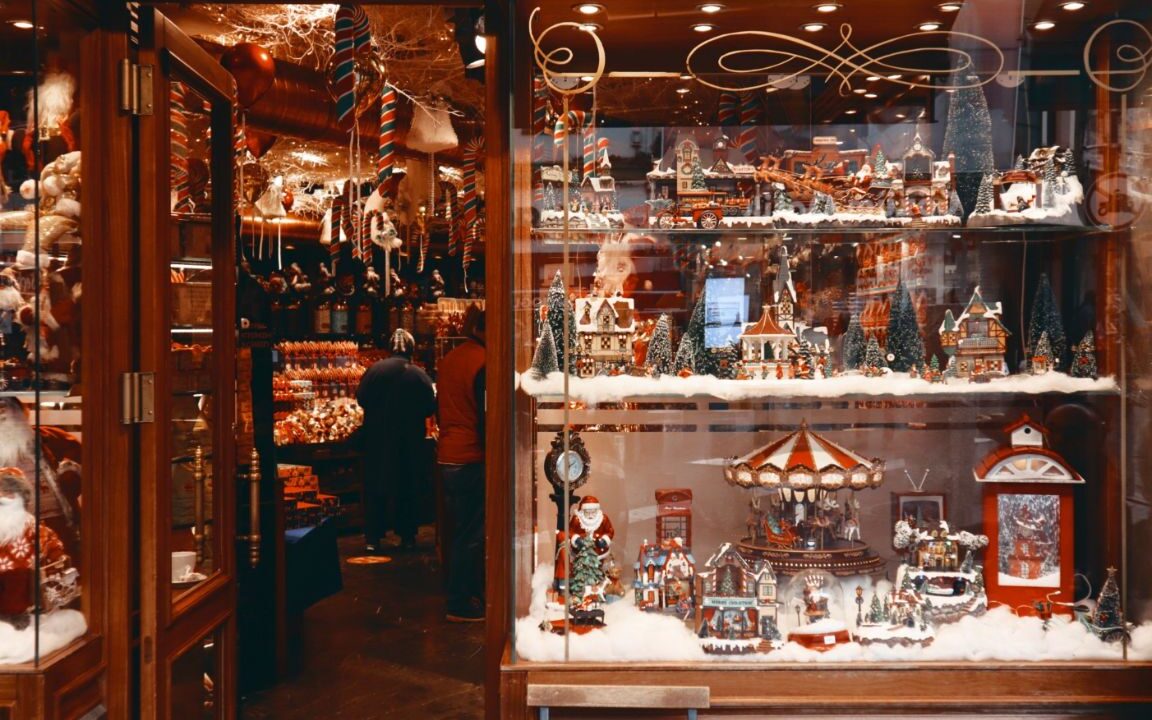
Before wish lists lived on phones and toys arrived in cardboard boxes at the front door, there was the toy store.
For a child, it was not just a store.
It was a place full of possibilities.
The doors opened, and suddenly there were shelves of board games, dolls, action figures, puzzles, toy cars, stuffed animals, building sets, art supplies, and things you had never seen before but immediately decided you needed.
The aisles felt endless.
The boxes felt important.
And even when you knew you were not buying anything that day, it was still worth walking through the store just to look.
The Aisles Felt Bigger Than They Were
Toy stores had a way of making ordinary space feel huge.
One aisle might be filled with dolls and dollhouses. Another had model cars, trains, or action figures. Somewhere there were puzzles, games, and shelves stacked higher than a child could reach.
The bright boxes did half the work.
You did not always need to know what the toy was. The picture on the front made it look exciting enough.
A castle.
A race track.
A science kit.
A talking doll.
A board game with little plastic pieces that seemed much more interesting in the picture than they ever were once you got home.
Kids moved slowly through the aisles because every shelf gave them another reason to stop.
The Wish List Started in the Store
For many children, the toy store was where holiday wish lists were made.
You looked.
You pointed.
You tried to remember the name of the thing you wanted most.
Sometimes you wrote it down. Sometimes you trusted your parents to remember. Sometimes you circled it in a catalog later that night, hoping the page would somehow make its way to the right person before a birthday or holiday arrived.
The best toy was often not the one you got.
It was the one you spent weeks imagining.
You thought about where you would keep it.
Who you would play with.
What it would look like on Christmas morning.
The store gave those dreams a place to begin.
You Could Touch the Boxes
That was part of the magic.
You could pick things up.
You could turn the box around.
You could read the back.
You could look through the little plastic window and see part of the toy inside.
Sometimes there was a display model you were allowed to try. Sometimes there was a train moving in a circle above the shelves. Sometimes there was a table where kids played with something while adults kept shopping.
The store let toys feel real before they belonged to you.
Online shopping can show a hundred pictures. But it cannot quite replace standing in an aisle, holding a box, and trying to decide whether one toy was worth giving up another.
The Toy Store Was Not Only for Buying
Families often went to toy stores without a special reason.
Maybe a parent needed a birthday gift.
Maybe someone was shopping for the holidays.
Maybe the family was walking through the mall and the toy store was simply too hard to pass.
Kids knew that “just looking” did not always mean “not buying.”
Even a small treat could feel important.
A pack of cards.
A tiny toy car.
A new puzzle.
A few dollars spent from birthday money.
And sometimes the visit ended with nothing at all.
But the store was still worth it.
The joy was not only in leaving with a bag.
It was in seeing what was there.
Then vs. Now
| Then | Now |
|---|---|
| Kids explored shelves, boxes, and displays in person | Toys are often discovered through websites, videos, and online ads |
| A store visit could become part of a family outing | Shopping is often completed quickly from home |
| Children made wish lists by browsing aisles or catalogs | Wish lists can be saved and shared digitally |
| Toys could be held, compared, and imagined before purchase | Product choices are often made from photos and reviews |
| “Just looking” could still feel like an event | Browsing can happen quietly and alone on a screen |
Not everything about the old way was better.
Some stores were crowded. Some toys were out of stock. Some children had to leave empty-handed.
But the experience of looking was part of childhood.
The Store Knew What Kids Wanted
Toy stores were built around excitement.
The colors were brighter.
The shelves were lower in some sections.
The displays were meant to make children stop.
Adults may have seen prices, packaging, and clutter.
Kids saw worlds.
A shelf of toy cars became a racetrack.
A row of dolls became a whole neighborhood.
A game box became a rainy afternoon with cousins.
A building set became something you would create the moment you got home.
The toy store did not need to explain much.
It only needed to let imagination do the rest.
A Long History of Toy Stores
Specialty toy stores have been part of city shopping life for generations. The Library of Congress records Frederick A. O. Schwarz advertising a “toy and fancy store” in New York City in 1870. Stores changed over time, from small local shops to department-store toy floors and large specialty chains, but the feeling stayed familiar.
A toy store was one of the few places designed almost entirely around the things children wanted to see.
That is why people remember them so clearly.
Why We Still Miss Them
People miss old toy stores because they made childhood feel visible.
The shelves reflected what kids loved at the time.
The cartoons.
The games.
The characters.
The holiday trends.
The toys everyone at school seemed to be talking about.
A toy store could make an ordinary Saturday feel special.
It could turn one small purchase into the best part of the week.
And even if you left with nothing, you left with ideas.
You knew what to ask for.
You knew what your friend might like.
You knew which aisle you wanted to visit next time.
Sources & Further Reading
- F.A.O. Schwarz Opened His First Store in New York City — Library of Congress background on Frederick A. O. Schwarz and his 1870 “toy and fancy store” advertisement.
- Playtime: Toys, Games, and Puzzles — Smithsonian collection featuring toys, games, and puzzles across different periods of childhood.
- Toys in the Attic — Smithsonian material on toys and the changing experience of childhood.
Do You Remember This?
What toy store do you remember most?
Maybe it was a local shop, a department-store toy floor, a mall store, or one of the big toy stores you could wander through for hours.
What aisle did you always visit first?
Do you remember this? Share your memory below.
Join the Conversation
What Do You Remember?
Did this story bring back a memory? Tell us below, or share a longer story on the Memory Wall.
Share a Full Memory