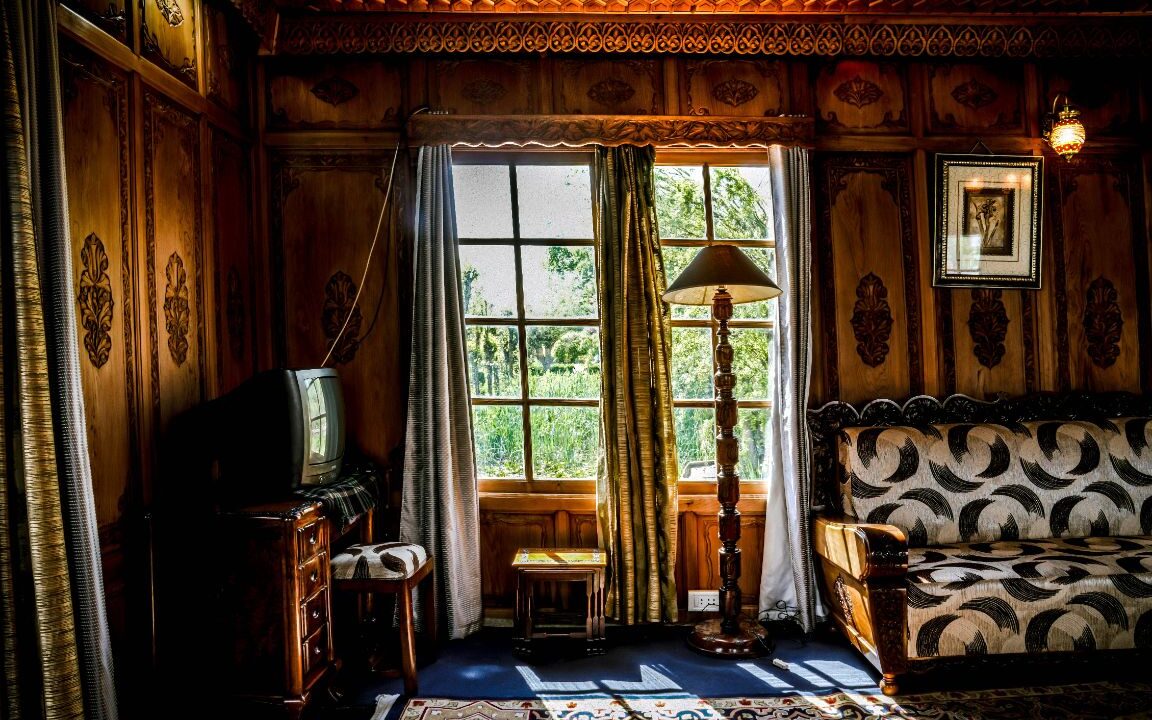
Before every room had a screen, television was something people gathered around.
There was usually one set in the living room.
It might have been inside a large wooden cabinet. It might have had knobs instead of buttons. It might have taken a moment to warm up before the picture appeared. Sometimes the picture was clear. Sometimes someone had to adjust the antenna, tap the side, or stand in exactly the right place for the channel to come in.
But once the show started, everyone settled down.
The television did not belong to one person.
It belonged to the room.
One Screen, One Choice
Family TV nights came with a simple problem.
What was everyone going to watch?
There were not endless menus. There were not separate profiles. There was no pausing a show halfway through because someone wanted to watch something else.
There were only a few channels, a printed TV guide, and whatever was scheduled for that night.
Someone usually had an opinion.
Kids wanted cartoons, variety shows, comedies, or whatever their friends talked about at school. Parents wanted the news, a favorite weekly drama, a game show, or something they had been waiting all week to see.
Sometimes the family agreed.
Sometimes they did not.
But most of the time, everyone watched together anyway.
The Living Room Changed at Night
During the day, the living room might have been quiet.
There were lamps, family photos, carpets, curtains, coffee tables, and the furniture everyone knew by heart. But after dinner, the room changed.
The lights were turned down.
Someone brought in a bowl of popcorn.
Someone sat on the floor because the couch was already full.
Someone stretched out in a favorite chair.
Kids tried to sit close enough to the television without being told to move back.
For an hour or two, the room had one shared focus.
The show.
The Weekly Schedule Made It Feel Important
Many television programs were part of the family routine because they happened at the same time every week.
You knew when your favorite show was on.
You planned around it.
Dinner might be earlier. Homework might need to be finished first. Baths might happen before the opening theme started. Someone might say, “It’s almost time,” and the whole house understood what that meant.
If you missed an episode, you missed it.
There was no replay button. No streaming app waiting for you later. You had to catch the show when it aired, or wait and hope for a rerun.
That made television feel more like an event.
Families did not only watch a program. They made room for it.
Commercials Were Part of the Night
Commercials were part of the experience too.
They were not something people skipped.
They were built into the evening.
Kids watched toy commercials, cereal ads, snack ads, and announcements for upcoming shows. Adults saw car commercials, local business ads, news promos, and products that became familiar simply because they appeared every week.
Some commercials became part of family conversation.
Someone repeated a line.
Someone laughed at the same ad every time.
Someone asked for a product that looked better on television than it probably did in real life.
The commercials filled the small pauses between scenes, but they also became part of the memory.
Then vs. Now
| Then | Now |
|---|---|
| Families often gathered around one television | Many households have multiple screens in different rooms |
| Shows aired on a fixed schedule | Viewers can watch most programs whenever they choose |
| Everyone shared the same program | Each person can watch something different on a personal device |
| Missing a show meant waiting for a rerun | Episodes can be paused, replayed, or streamed instantly |
| Commercials were part of the viewing ritual | Many viewers skip, block, or avoid ads entirely |
Not everything about the old way was easier.
Arguments over the channel were real.
Kids did not always get to choose.
Some shows ended just when you wanted more.
But the limits created something that is harder to find now: a shared moment.
The Shows Became Family Landmarks
People often remember what their family watched together.
They remember the theme songs.
They remember which parent liked which show.
They remember being told they were too young to watch something, then trying to stay in the room anyway.
They remember laughing at the same joke as everyone else.
They remember when a show ended and someone immediately started talking about what had happened.
Television became part of family language.
A certain character, catchphrase, or opening song could bring an entire evening back.
The couch.
The snacks.
The lamp in the corner.
The sound of someone washing dishes in the kitchen.
The feeling of being together without needing to say much.
One Room, Many Memories
Family TV nights were not only about television.
They were about being in the same room.
A child might lean against a parent.
A brother or sister might complain about the show, then keep watching anyway.
A grandparent might explain something that happened before the child was born.
A parent might fall asleep halfway through.
The television gave families a reason to pause at the same time.
For a while, nobody had to go anywhere.
Nobody had to answer a message.
Nobody had to find something else to do.
They simply watched.
Why We Still Remember It
People remember family TV nights because the experience was shared.
One screen meant one story at a time.
Everyone saw the same scene.
Everyone heard the same theme song.
Everyone knew when the show was about to start and when it was time to turn the television off.
The past was not perfect, and families did not always agree on what to watch.
But the living room television gave people a simple reason to be together.
A couch.
A lamp.
A bowl of popcorn.
One program.
One evening that became part of family life.
Sources & Further Reading
- Records Relating to the Cold War — National Archives background noting the rapid growth of television ownership in U.S. households from the late 1940s through 1960.
- Arts and Entertainment, 1945 to 1968 — Library of Congress overview of television’s rapid influence on postwar American life.
- We Still Love Lucy — Library of Congress story about early television viewing and the 1951 premiere of I Love Lucy.
Do You Remember This?
What did your family watch together?
Maybe you remember a favorite weekly show, sitting on the floor, arguing over the channel, falling asleep on the couch, or hearing a theme song that still takes you back.
Do you remember this? Share your memory below.



Join the Conversation
What Do You Remember?
Did this story bring back a memory? Tell us below, or share a longer story on the Memory Wall.
Share a Full Memory